What Happens After Brain Injury Rehab: A Family’s Guide to Life Long TBI Care
The Hospital Is Discharging Your Loved One. Now What?

You’ve spent weeks—maybe even months—living in waiting rooms, learning medical vocabulary you never wanted to know, and watching someone you love fight to survive a traumatic brain injury. And then, almost without warning, someone tells you it’s time to go home.
Or more accurately: it’s time to figure out what comes next.
For most families, this is where the confusion really starts. The crisis is over, but the questions are just beginning. Where does your loved one go from here? What kind of care do they need? How long will they need it? And who’s going to help you figure all of this out?
If you’re searching for answers right now, you’re not alone. At Safehaven, we often get many of the same questions about what happens after brain injury rehab. So here’s a quick guide that explains what comes next—clearly, honestly, and without the medical jargon that makes an already overwhelming situation feel impossible.
The Three Phases Nobody Explains Well: Acute, Subacute, and Life Long
Brain injury recovery isn’t one continuous process. It moves through distinct phases, and understanding where your loved one falls on that timeline can help you make better decisions about their care.
Acute care is the emergency phase. This happens in the hospital immediately after the injury: stabilizing the patient, preventing further damage, and managing life-threatening complications. The focus here is survival.
Subacute rehabilitation is the intensive recovery phase. This typically takes place in an inpatient rehab facility, where the individual works with therapists on physical, cognitive, and speech recovery. Sessions are structured, progress is measured, and the goal is to regain as much function as possible. This phase can last weeks or months depending on the severity of the injury.
Life long care is what comes after. And for many families, it’s the phase nobody prepares them for. When rehab goals plateau or when an individual’s needs exceed what a family can manage at home, life long care becomes the conversation. This phase may last years or a lifetime.
Most families hear plenty about the first two phases. Doctors explain them. Insurance covers them (at least partially). Timelines are discussed. But when it comes to life long care for someone with a traumatic brain injury, the information often drops off. That’s the gap this guide is here to fill.
What “Life Long Care” Actually Means for Someone with a Brain Injury
When families hear the words “life long care,” many immediately picture a nursing home. That’s understandable, but it’s not always accurate, and for TBI survivors, it’s often not the right fit.
Nursing homes are designed primarily for elderly populations with age-related decline. A 32-year-old who survived a car accident and now lives with cognitive, behavioral, and physical challenges from a brain injury has fundamentally different needs than an 85-year-old with dementia. The care model, the environment, and the goals are different.
Life long TBI care, when done well, is residential support built specifically around the needs of brain injury survivors. It includes 24/7 staffing who are trained in TBI-specific challenges like emotional dysregulation, cognitive fatigue, and sensory sensitivity. It prioritizes quality of life—not just medical stability—by offering structured routines, social engagement, and individualized care plans that evolve as the person’s needs change.
The right life long care environment should feel less like a medical facility and more like a home. That distinction matters more than most people realize.

Five Questions to Ask Any Facility Before Placement
Not all life long care facilities are equipped to support individuals with traumatic brain injuries. Before you commit to any program, ask these five questions. The answers will tell you a lot about whether the facility understands TBI care—or is simply filling a bed.
1. What specific training does your staff receive in traumatic brain injury care? Not all cognitive challenges are equal. TBI is different from a stroke, spinal cord injury, or cognitive decline from aging. Staff should receive specialized, ongoing training in TBI-related behaviors, communication challenges, and medical needs. If the answer is vague, that’s a red flag to ask more pointed questions.
2. What does a typical day look like for a resident?
Structure matters after a brain injury. Look for facilities that offer predictable routines with built-in time for rest, therapy, social activity, and personal space. If the answer sounds like “they mostly stay in their room,” keep looking.
3. How do you handle behavioral changes or emotional outbursts? Emotional dysregulation is common after TBI and is not a behavioral problem—it’s a neurological one. The facility should have de-escalation protocols that are calm, patient, and rooted in understanding of the injury. Punitive approaches are a dealbreaker.
4. How are families involved in the care plan? You know your loved one better than anyone. The right facility will want your input, keep you updated, and welcome your involvement—not treat you as an outsider.
5. Can you support residents with complex medical needs, including ventilator dependence?
Some TBI survivors require ongoing respiratory support or other high-acuity medical management. If your loved one has these needs, the facility must have the clinical infrastructure—nursing staff, respiratory therapy, and physician oversight—to provide that level of care safely and consistently.
How Families Pay for Life Long TBI Care
This is the question that keeps families up at night, and it deserves a direct answer. Life long TBI care is expensive, and the funding landscape is complicated. But there are more options than most people realize.
Medicaid and Home and Community-Based Services (HCBS) Waivers. Medicaid is the primary payer for life long care in the United States. Many states offer HCBS waivers that fund residential care, personal support services, and therapies for individuals with brain injuries. Eligibility requirements and covered services vary by state, so working with a social worker or case manager who understands your state’s waiver system is critical.
Georgia Brain and Spinal Injury Trust Fund. For Georgia residents, this state-funded program provides grants for post-acute care and rehabilitation services for individuals with traumatic brain or spinal cord injuries. It functions as a payor of last resort—meaning applicants must have exhausted other insurance and government funding sources first—but it covers a wide range of needs including therapies, assistive technology, personal support, and transportation. Over 95% of eligible applicants who completed the process have received a grant.
Private insurance and personal injury settlements. If the brain injury resulted from an accident, personal injury settlements or structured settlements may fund life long care. Private health insurance may cover portions of residential care, though coverage varies significantly by plan.
Veterans’ benefits. Veterans with service-connected TBI may qualify for life long care through the VA healthcare system, including community living centers and contracted residential programs.
The most important step is starting the conversation early. Don’t wait until discharge day to explore funding options. Begin working with a case manager, hospital social worker, or patient advocate as soon as life long care becomes part of the plan.
What Good Life Long Care Looks Like
It’s one thing to list what families should look for. It’s another to see it in practice.
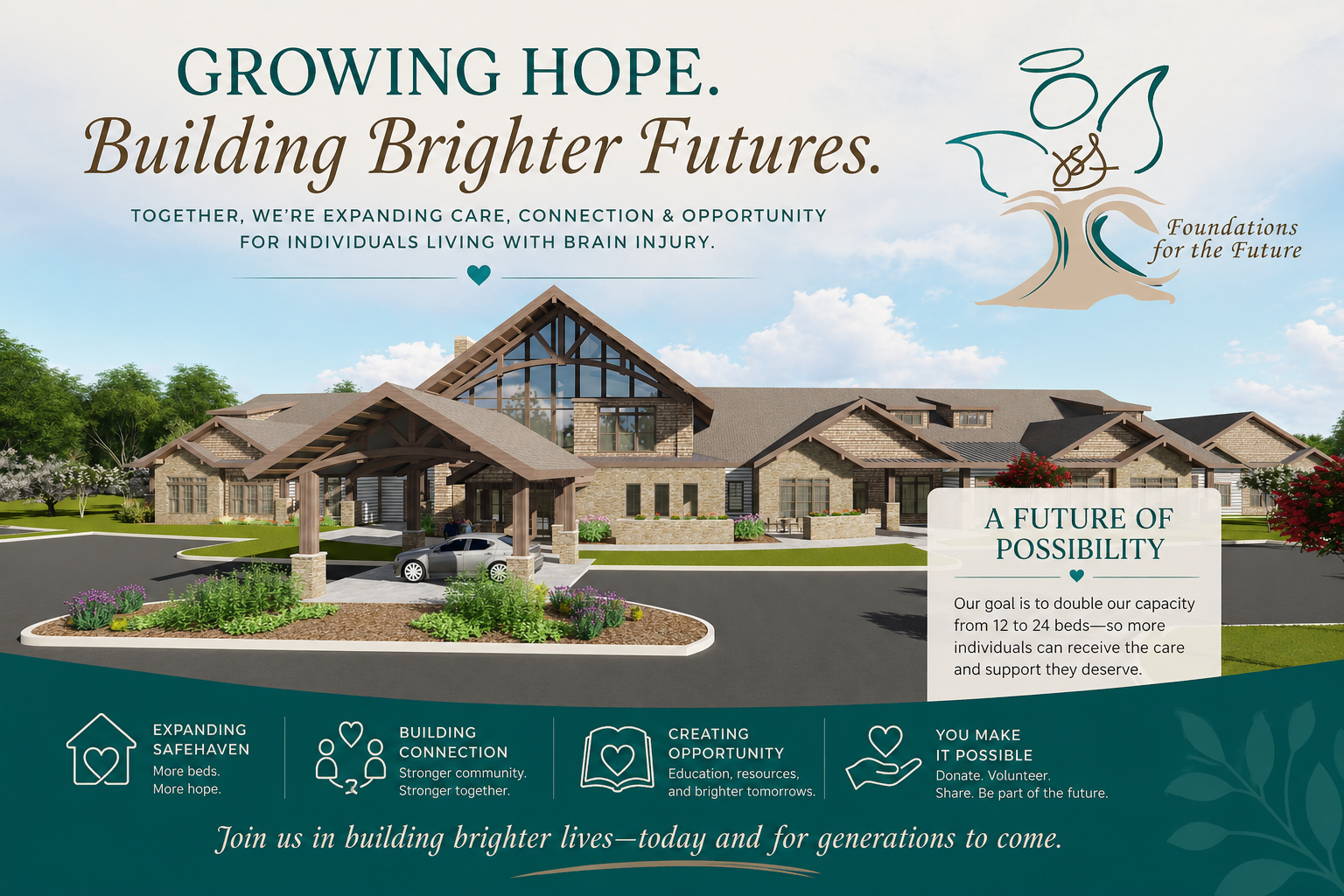
The Safehaven program, operated by the Jimmy Simpson Foundation in Georgia, is one example of what life long TBI care can look like when it’s built around the person—not around a facility model.
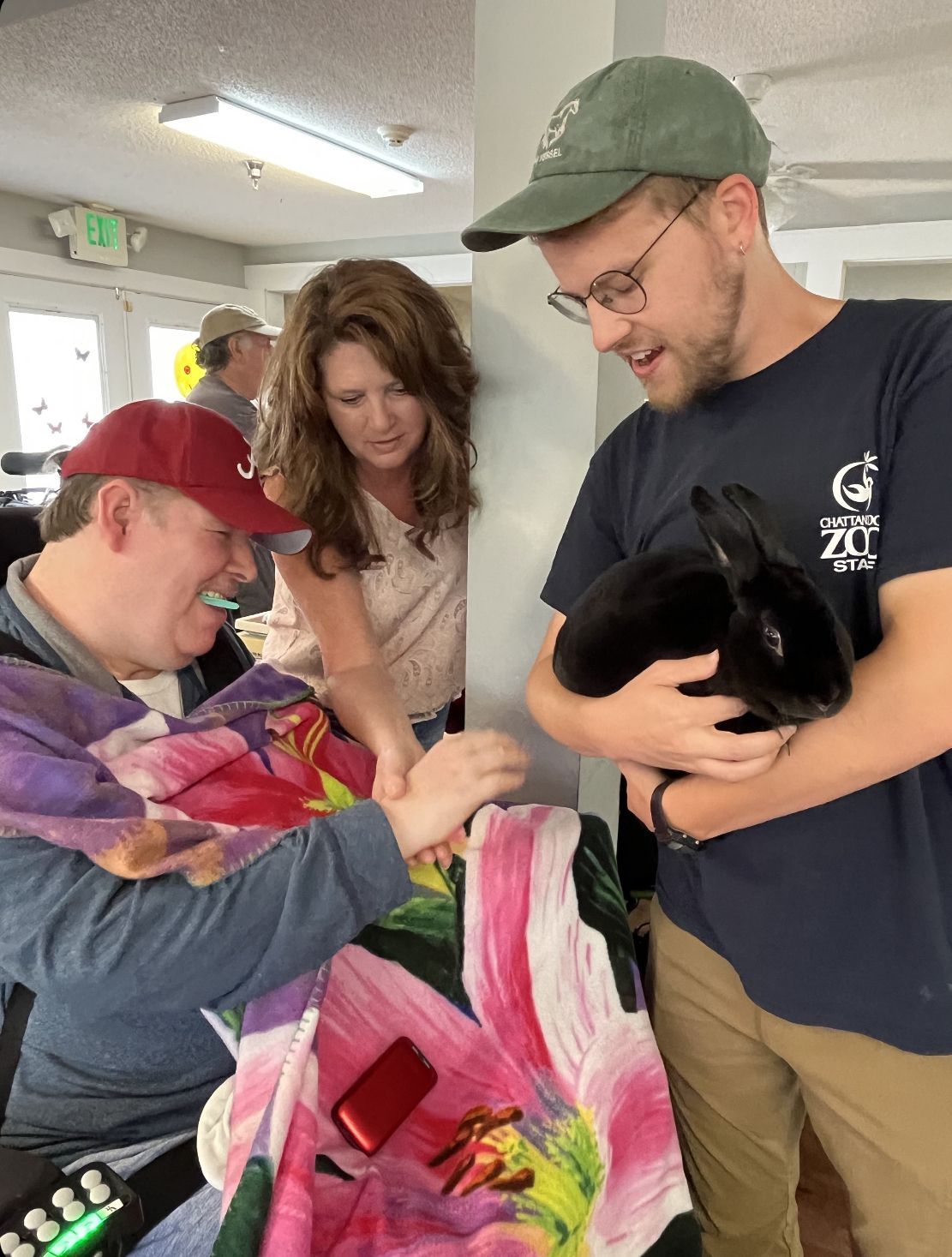
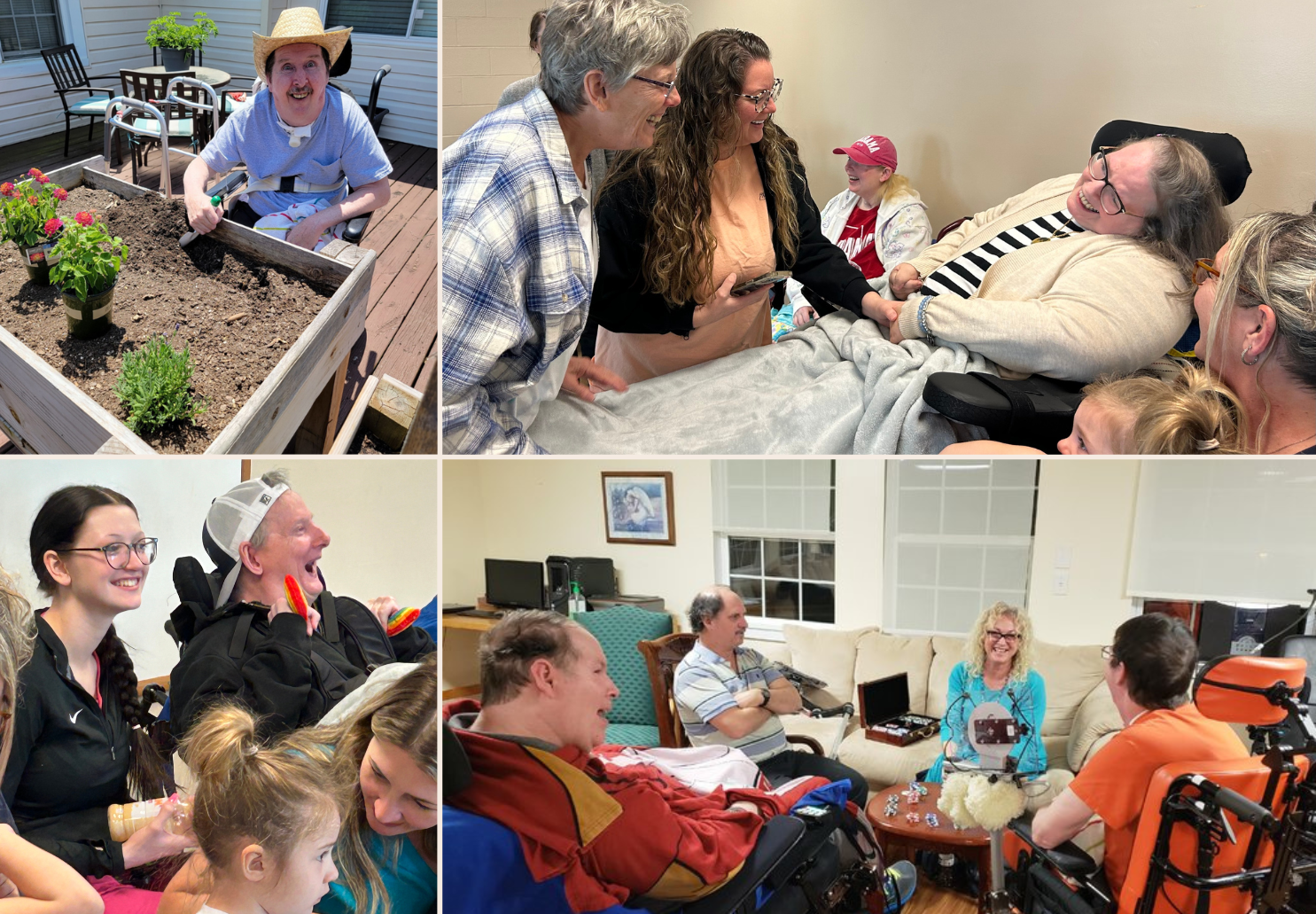
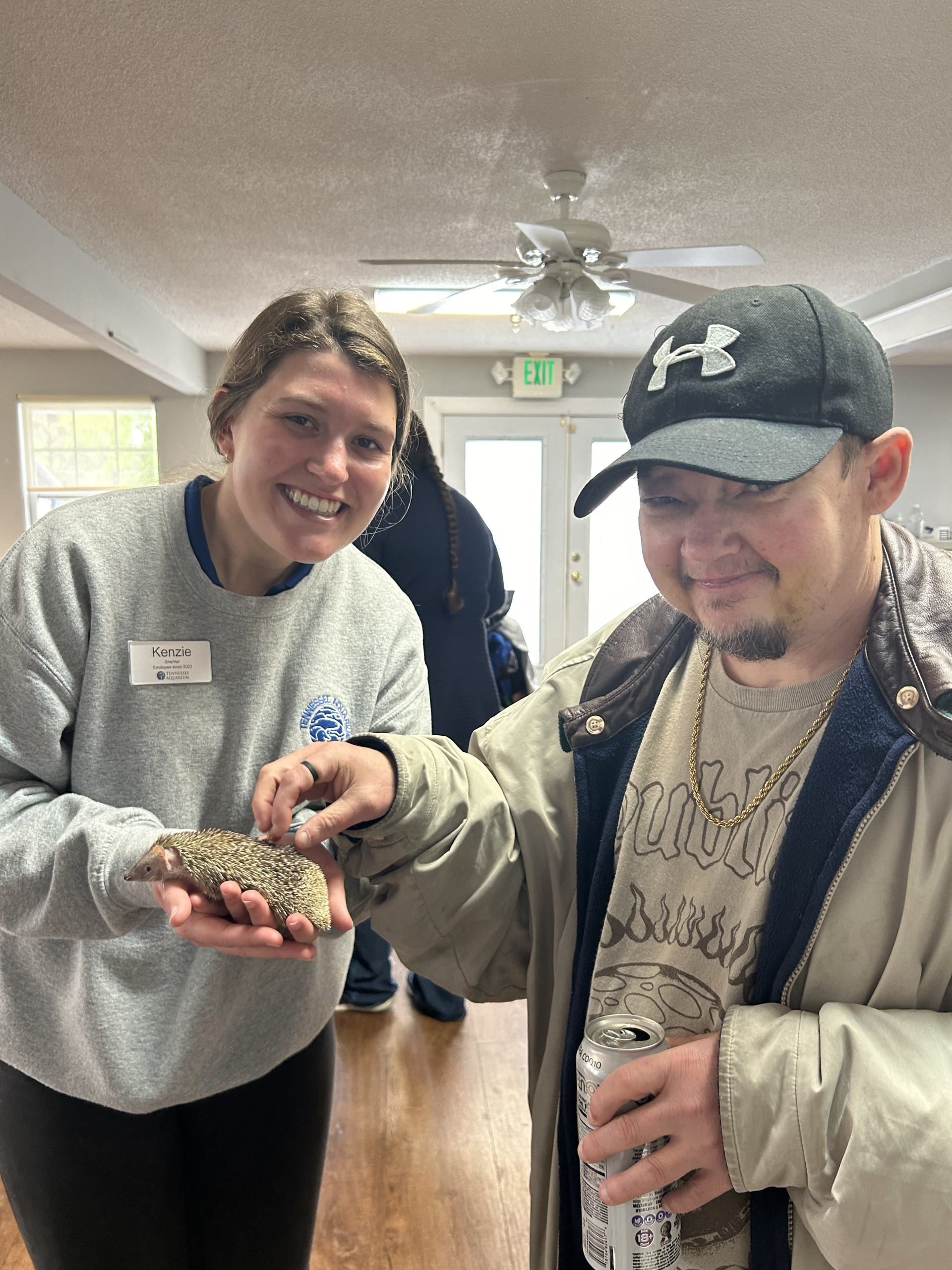
Safehaven is Georgia’s only life long residential care program for ventilator-dependent individuals with brain injuries. But what sets it apart isn’t just the clinical capability. It’s the environment. Residents live in a home-like setting with 24/7 specialized nursing, respiratory therapy under physician leadership, and individualized care plans that prioritize dignity, engagement, and quality of life. Staff are trained specifically in TBI care. Families are treated as partners, not visitors.
The foundation was started by Carol Simpson after her husband, Jimmy, suffered an anoxic brain injury and the family struggled to find a care environment that felt like more than a medical warehouse. That origin story is the reason our program operates the way it does. Every decision is shaped by the experience of a family that went looking for better care and, when they couldn’t find it, built it.
Not every family’s situation will lead to a residential program. But the principles Safehaven operates on—person-centered care, TBI-specific training, family involvement, and life long commitment—are the benchmarks every family should measure any facility against.
A Note for Families of Faith
For many families navigating brain injury, faith is part of how they process what’s happened and how they find the strength to keep going. If that’s your family, you’re not alone in wanting a care environment that reflects those values.
The Jimmy Simpson Foundation operates with Christian integrity as the foundation for how care is delivered. That means treating every resident with the dignity and compassion they deserve, supporting families through some of the hardest decisions they’ll ever face, and believing that every person’s life has value regardless of their mental or physical capabilities.
Faith won’t answer every medical question. But for families who draw strength from it, knowing that a care team shares that foundation can bring a measure of peace during an extraordinarily difficult time.
Resources and Next Steps
If someone you love is approaching discharge from rehab, or you’ve been managing their care at home and it’s becoming more than you can sustain, here are three next steps worth taking.
Learn about the Safehaven program. If your loved one has a traumatic brain injury and needs life long residential care—including ventilator-dependent support—Safehaven may be the right fit. Visit safehavenjsf.org/safehaven to learn more about the program and submit an inquiry.
Connect with Carol’s Light Support Group. You don’t have to navigate this alone. Carol’s Light is a community-based support program for individuals with brain injuries, caregivers, and families. It offers connection, education, and encouragement from people who understand what you’re going through. Visit safehavenjsf.org/support-group to get involved.
Explore the resources page. The Jimmy Simpson Foundation maintains a collection of educational resources for families affected by brain injury. Whether you’re looking for information about funding, medical guidance, or caregiver support, it’s a good place to start. Visit safehavenjsf.org/resources.
Recovery after a traumatic brain injury is not a straight line, and the need for support doesn’t end when rehab does. The families who navigate this most effectively are the ones who ask questions early, explore their options thoroughly, and find care partners who are in it for the long term.
You’re already doing the hard part. You’re looking for answers. That matters more than you know.