Stroke Awareness Month
Understanding One Cause of Brain Injury

May is National Stroke Awareness Month, a time to raise awareness about the signs of stroke, the importance of fast action, and the long-term impact a stroke can have on individuals and families.
When many people hear the words “brain injury,” they often think of a fall, car accident, sports injury, or another traumatic event. But not all brain injuries are caused by trauma. A stroke is one example of an acquired brain injury, meaning the injury occurs after birth and is not caused by an external force.
At The Jimmy Simpson Foundation, our mission is to improve the lives of individuals with brain injury. That includes helping families better understand the many ways brain injury can happen, the challenges that may follow, and the importance of education, awareness, support, and compassionate care.
What Is a Stroke?
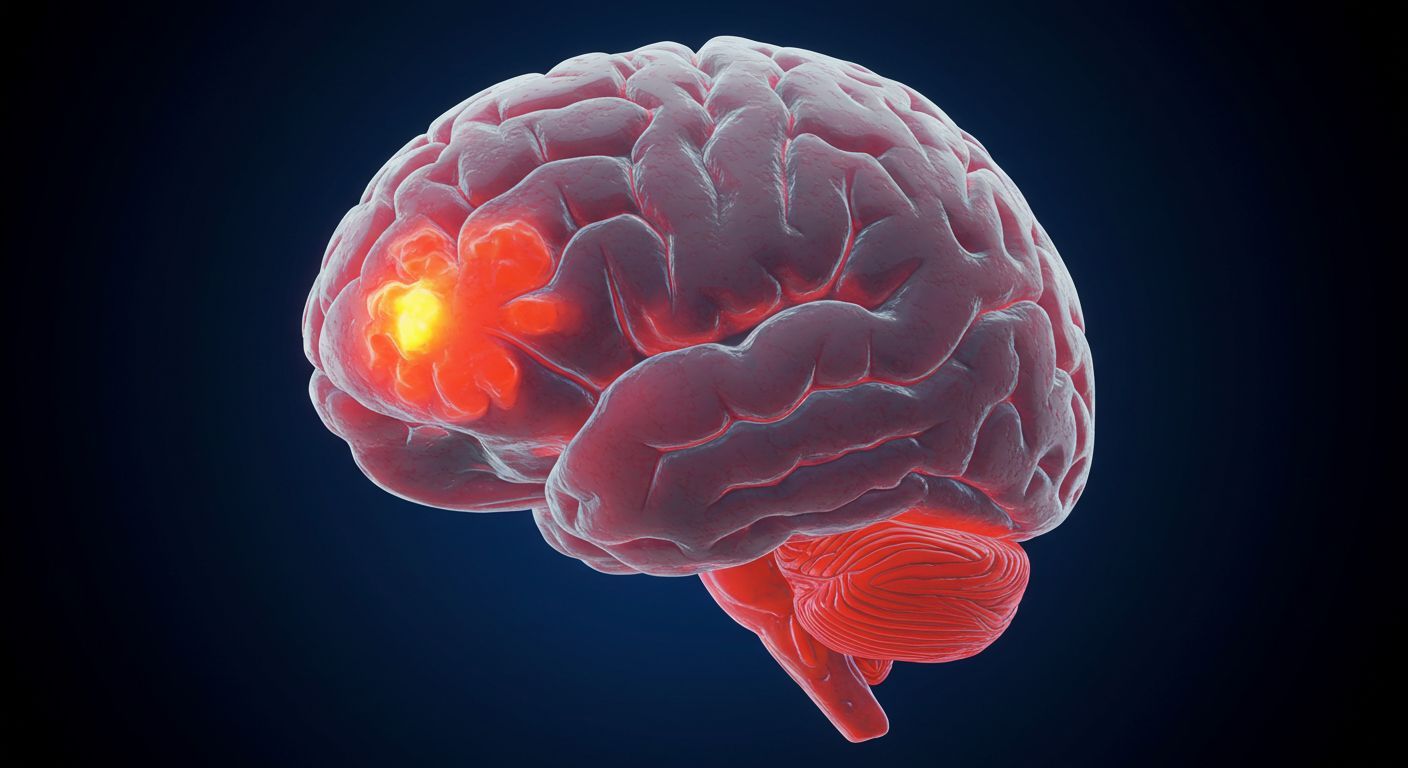
A stroke happens when blood flow to part of the brain is blocked or when a blood vessel in the brain bursts. When the brain does not receive the oxygen and nutrients it needs, brain cells can be damaged or die. The effects of a stroke can vary depending on the area of the brain affected and how quickly treatment begins.
According to the CDC, fast treatment can lessen the brain damage a stroke can cause, which is why recognizing symptoms and calling 911 immediately is so important.
Know the Signs: Act FAST
One of the most important things everyone can learn is how to recognize the warning signs of a stroke. The CDC and American Stroke Association encourage people to remember FAST:
F — Face Drooping
Does one side of the face droop or feel numb?
A — Arm Weakness
Is one arm weak or numb? Does one arm drift downward?
S — Speech Difficulty
Is speech slurred, hard to understand, or difficult to produce?
T — Time to Call 911
If you notice any of these signs, call 911 immediately.
Even if symptoms seem to go away, emergency medical care is still needed. A temporary blockage, often called a TIA or “mini-stroke,” can be a serious warning sign.
Stroke and Brain Injury
A stroke can affect much more than movement or speech. Because the brain controls so many functions, the impact of a stroke can look different for each person.
Some individuals may experience physical changes, such as weakness, balance issues, or difficulty walking. Others may face changes in memory, communication, mood, behavior, vision, swallowing, or independence. Families may also find themselves suddenly navigating a new role as caregivers, advocates, decision-makers, and sources of daily support.
This is one reason stroke awareness matters. The emergency is only one part of the story. For many individuals and families, the journey continues long after the hospital stay.
Prevention and Awareness Matter
While not every stroke can be prevented, the American Stroke Association notes that many strokes are preventable. Awareness, healthy lifestyle choices, managing risk factors, and seeking regular medical care can all play a role in reducing risk.
Common prevention conversations may include blood pressure management, heart health, diabetes management, tobacco use, physical activity, nutrition, and knowing your personal risk factors. Anyone with concerns about stroke risk should speak with a qualified medical professional.
Why This Matters to JSF
At The Jimmy Simpson Foundation, we know brain injury affects the whole person — and often the whole family.
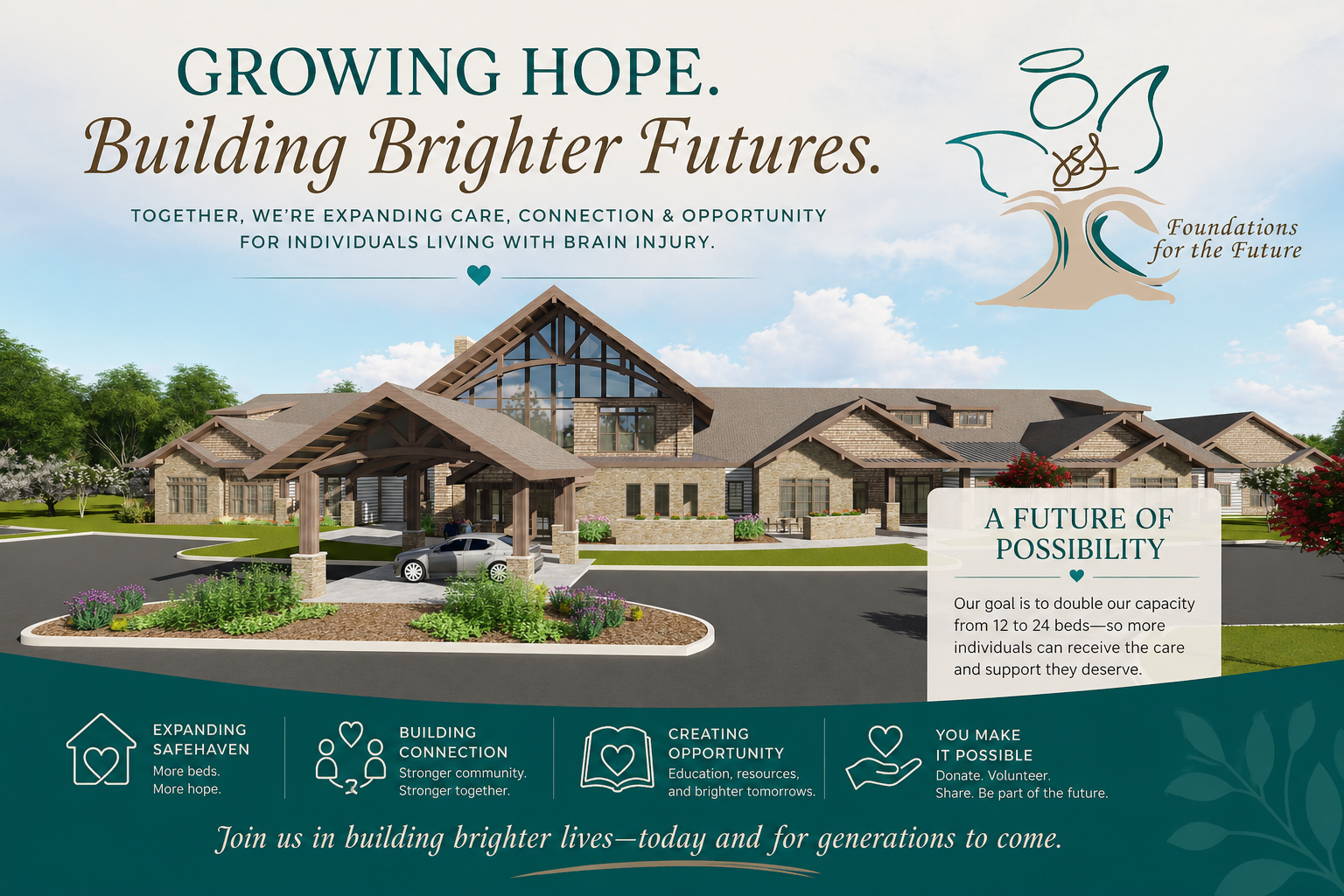
Through Safehaven, JSF provides compassionate residential care for individuals with brain injury. Through Carol’s Light, families, caregivers, and individuals affected by brain injury can find connection, resources, and community. Through Foundations for the Future, JSF is working to expand its impact so more individuals and families can receive the support they need.
National Stroke Awareness Month is a reminder that education can save lives, early action can change outcomes, and long-term support matters.
What You Can Do This Month
This May, take a few minutes to learn the signs of stroke and share them with someone you love. Talk with your family about when to call 911. Encourage loved ones to know their risk factors. And remember that behind every brain injury diagnosis is a person, a family, and a story that deserves compassion, dignity, and hope.
At JSF, we believe awareness is more than information. It is a step toward stronger futures and brighter lives.
Compassionate Care. Stronger Futures. Brighter Lives.